Choosing the Right Boiler for Your Home
Picking a new boiler starts with one question: what does your home actually need? Get that right and everything else follows.
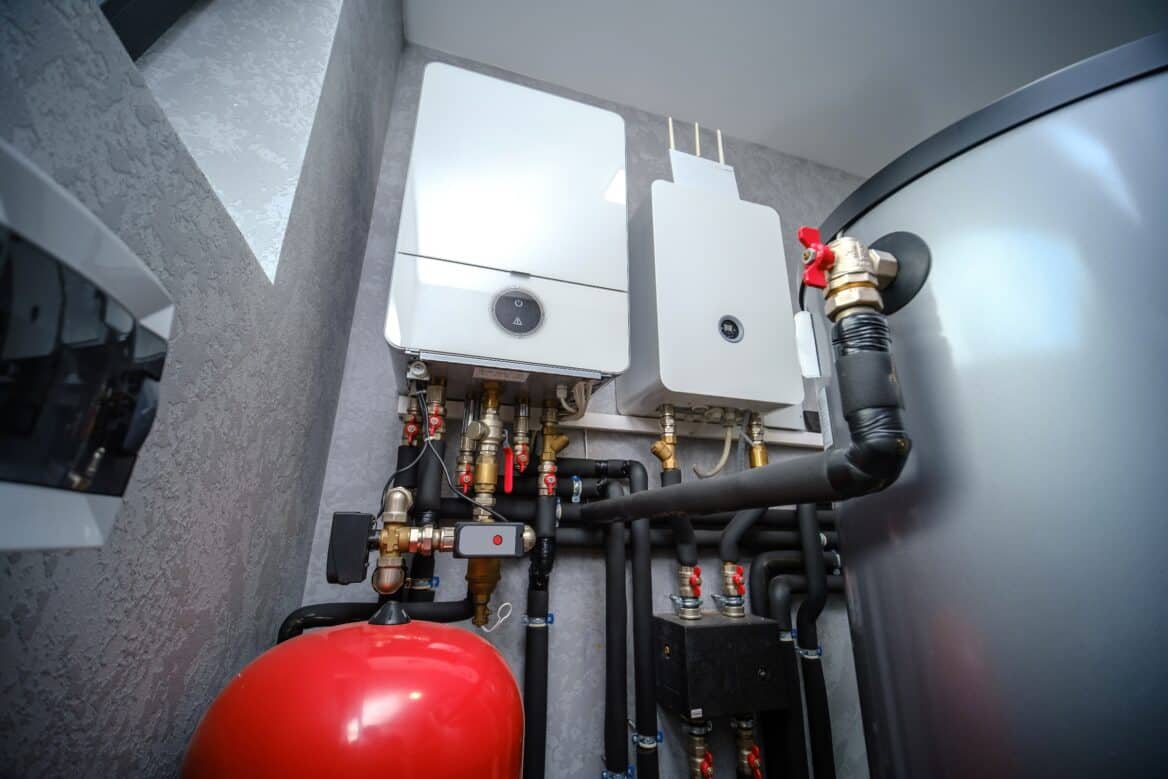
There are three types to choose from:
- Combi — heats water on demand, no cylinder or tank. Compact and the most common choice.
- System — works with an unvented cylinder for stored hot water. Better for higher demand.
- Regular (heat-only) — uses a cylinder plus a loft tank. Usually found in older setups.
The right one depends on how your home uses water, not just the building’s size. We look at your mains pressure, how many bathrooms you have, and whether more than one tap or shower runs at once. Your existing setup matters too, since switching type adds work.
Size matters as much as type. A boiler that’s too big short-cycles, firing up and shutting off in quick bursts. That wastes gas and wears the boiler faster. A 3-bed semi usually suits a 24-30kW combi. Bigger isn’t better here.
Brand and tier also feed into the decision. Premium ranges tend to carry longer manufacturer guarantees, which is worth weighing if you plan to stay put for years. We work with Vaillant and Ideal as accredited installers, so those installations come with manufacturer-backed warranties.
Here’s the honest trade-off. A combi suits most homes and keeps things simple. But if your mains pressure is low, or you need two showers running at the same time, a system boiler with a cylinder is the better answer (even though it’s a bigger job). And if the boiler isn’t actually beyond saving, we’ll say so — sometimes a boiler repair is the smarter call than a full replacement.
What a Proper Boiler Installation Includes
A good installation is more than swapping one boiler for another. The work done around the boiler is what keeps it running well and upholds the manufacturer’s warranty.
Every compliant install we carry out includes:
- Boiler Plus compliance — a minimum 92% efficiency rating, with time and temperature controls fitted as standard
- A full system flush to clear sludge and debris, done to the BS 7593 standard, followed by a corrosion inhibitor dosed into the system.
- A magnetic filter fitted to catch debris before it reaches the boiler. This is now a warranty condition for all major brands
- The Benchmark checklist is completed and handed to you, with the install registered and notified within 30 days.
Each of these has a reason. The controls let you heat the house on a schedule rather than keep it on all day. The filter and inhibitor protect the new heat exchanger. The Benchmark sign-off is what activates your manufacturer guarantee. Skip it, and the warranty may never start.
Here’s the part some installers cut. On an older system, installing a new boiler without a proper flush can let old sludge circulate straight into the new heat exchanger. That can block it within months and void the warranty. The flush takes time, but it’s the difference between a boiler that lasts and one that fails early.
Peter provided an exceptional service from start to finish. He assessed the property’s needs and recommended the ideal boiler. He ensured everything was functioning prior to leaving and took the time to explain the features of the new boiler.
Verified Customer (Checkatrade)
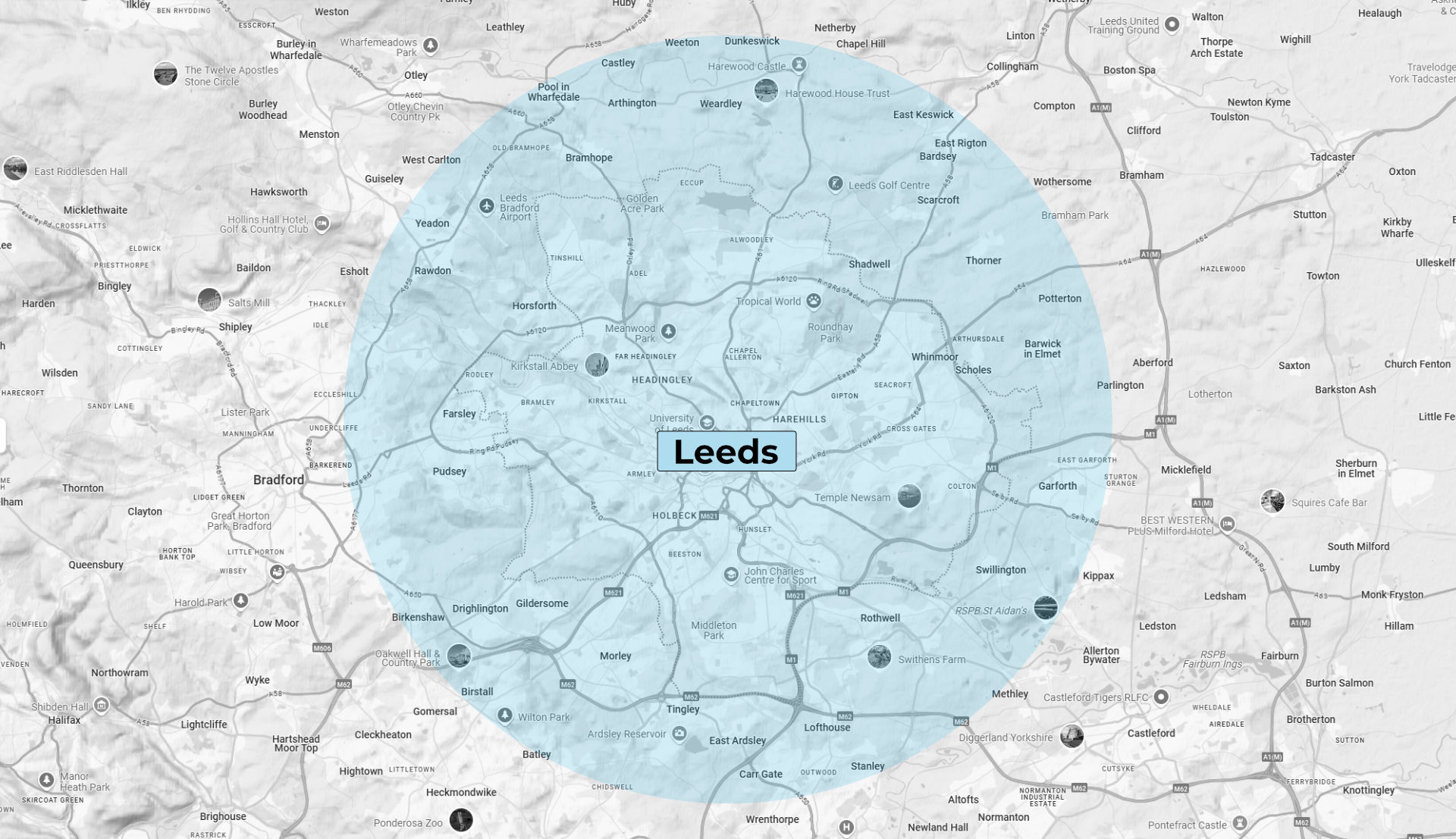
Boiler Installations in Kirkstall’s Older Homes
Kirkstall and the surrounding streets are full of older housing. Victorian and Edwardian terraces, 1930s semis and inter-war homes are common here. Many still run on heating layouts and pipework added over decades, and that shapes what a new boiler install involves.
A few things come up often in homes like these:
- Microbore pipework: pipes under 15mm, common in older systems, sometimes can’t feed a modern boiler properly and need upgrading. That adds time to the job.
- Heat-only to combi conversions: switching means removing the old cylinder and the loft tank, then reworking the pipework. That’s a two-day job, not a quick swap.
- Mains pressure: older terraces don’t always have the pressure a combi needs. We check it before recommending one.
This is why we survey first. We look at what’s there, work out what your home can support, and give you an honest recommendation before any work starts. You get a clear plan, not a surprise halfway through.
Here’s the honest part. Sometimes the cheapest compliant option is to keep your existing boiler rather than switch. If a like-for-like replacement makes more sense for your home than a conversion, we’ll tell you, even when the bigger job would earn us more.
Can You Still Fit a Gas Boiler in 2026?
Yes. You can install or replace a gas boiler in an existing home right now, and nobody is going to force you to remove a working one.
There’s been a lot of worry about a “gas boiler ban,” so here’s the plain version:
- The rules being tightened apply to new-build homes, not existing ones. Those will be built to use low-carbon heating from the start.
- The talked-about 2035 phase-out was a proposal, never a law, and has since been dropped. It would only ever have affected new installs, not your right to keep a boiler.
- If you’d rather switch to a heat pump, the government’s Boiler Upgrade Scheme offers a £7,500 grant towards one.
So replacing your gas boiler with another gas boiler is still a normal, legal choice. For most older homes around Kirkstall, with the radiators and pipework already in place, a modern gas boiler remains the practical option today.
One rule hasn’t changed and never bends. A gas boiler must be installed by a Gas Safe registered engineer, not just any plumber. We’re Gas Safe registered (number 634435), so your install is done legally and signed off properly.